
Your Cart is Empty
🚚 Flat-Rate FedEx Priority Overnight — Just $29.99 (Limited-Time Special!) | FREE over $200

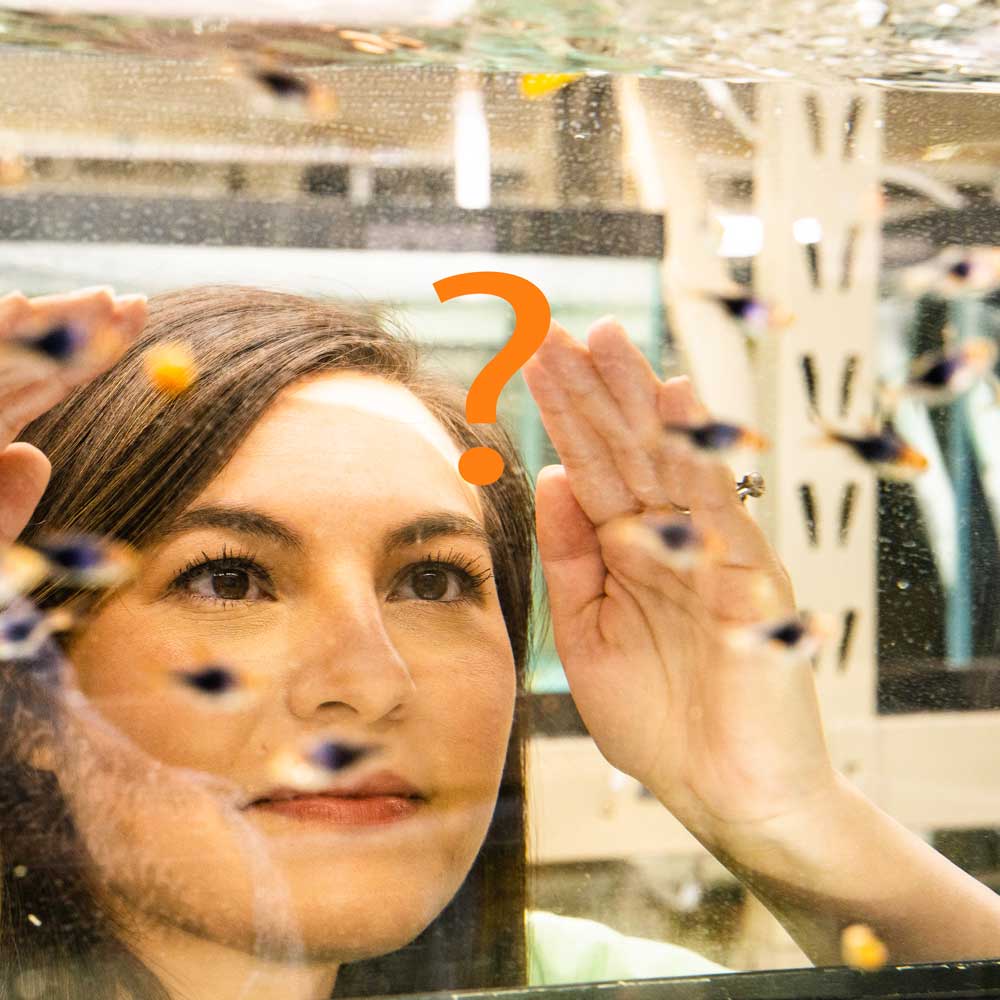


You've probably heard of the Pygmy Cory, but have you ever seen an Albino Pygmy Cory?! These tiny little catfish bring all the personality and activity of a traditional Pygmy Cory with a unique bright albino coloration that really stands out in planted aquariums and nano community tanks!
Albino Pygmy Corys stay super small, usually around 3/4 of an inch, making them a great choice for smaller aquariums and peaceful community setups! You’ll see them sifting through the substrate, exploring plants, resting on leaves, and even swimming together in the middle of the water column. Like all corydoras, they do best in groups, so we recommend keeping at least 6 or more together.
These little catfish do best in a mature aquariums with stable water parameters, sand or smooth substrate to not hurt their bellies, and plenty of plants, driftwood, and hiding spots. They’re peaceful, active, and make great tank mates for shrimp, snails, tetras, rasboras, Celestial Pearl Danios, and other small community fish!
Albino Pygmy Corys are excellent scavengers, but they shouldn’t be expected to live on leftovers alone. Feed a varied diet of quality nano foods, small sinking foods, and frozen foods like baby brine shrimp, daphnia, or cyclops to keep them healthy and active.
Pygmy corydoras are considered a dwarf species of cory. They grow to about 40% the size of most other corydoras, with adults reaching around ¾ of an inch. Males tend to stay even smaller than females. The body shape of the pygmy cory catfish is distinctive, featuring a flat belly and a streamlined form that runs from the snout to the tail. Their coloration is typically silver-gray with a prominent black line that extends from the snout all the way to the tail, making them easy to distinguish from other corydoras species. The only other cory species that’s similar in size is the Corydoras habrosus, which you can check out here.
We’ve had pygmy corys breed naturally in our aquariums, especially when using Java Moss or spawning mops. Key points for breeding pygmy corydoras include:
At Flip Aquatics, we feed our pygmy cories, which are specialized bottom feeders and bottom dwellers, a variety of foods suited to their feeding behavior. Pygmy cories and other cories spend most of their time at the bottom of the tank, foraging for food on the substrate.
Our food list includes:
Pygmy cories and other cories benefit from a varied diet that includes vegetable rich flake or pellets and frozen foods such as baby brine shrimp, bloodworms, and shrimp to support their health and natural bottom-feeding habits.
All fish orders are covered by our 100% Live Arrival Guarantee. Shop worry-free knowing your fish will arrive healthy or we'll make it right. We quarantine our fish for two or more weeks before shipping to ensure they are healthy and free from diseases, giving you peace of mind when adding pygmy corydoras to your aquarium.
When setting up an aquarium for pygmies, it's important to create a peaceful environment with lots of plants and hiding spots. This helps pygmies and other nano species feel secure and allows them to thrive. A well-planted aquarium not only provides cover for pygmies to hide but also encourages natural swimming behavior and reduces stress.
Compatible tank mates for pygmies include other nano species, peaceful community fish, dwarf shrimp, snails, tetras (such as neon tetras), celestial pearl danios, and other fish of similar size and temperament. These combinations work well in a nano tank or home aquarium, creating a harmonious community setup.
You can comfortably keep 10 pygmy corydoras in a 10-gallon tank. If you're an experienced hobbyist, it's possible to keep up to 20, as long as you maintain healthy water quality with nitrate levels below 40 ppm. Adding live plants can help with nutrient control and overall tank balance.
Pygmy corydoras don't eat enough algae to be considered good algae cleaners. However, they are excellent scavengers. They sift through the substrate for leftover food and debris, which can help reduce waste that might otherwise lead to algae growth.
Pygmy corydoras are not fully nocturnal, but they will scavenge during both the day and night. They often school during the day, especially when kept with other similar schooling fish like otocinclus. You can often find them resting on sand or perched on plant leaves.
With proper care, pygmy corydoras can live 3 to 5 years. Keeping stable water parameters is key to their long-term health. We recommend a balanced diet of frozen foods along with veggie-based flakes or small pellets.