
Your Cart is Empty
🚚 Flat-Rate FedEx Priority Overnight — Just $34.99 | FREE over $200





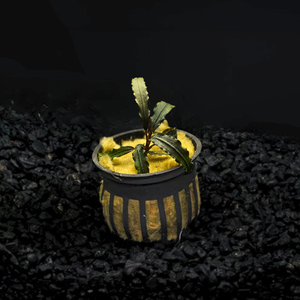
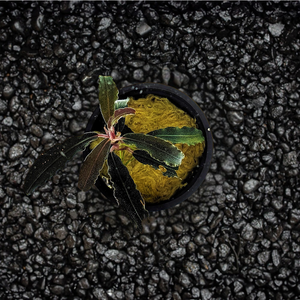
Bucephalandra Godzilla is one of those aquarium plants that really stands out from other Buce varieties! Unlike the smaller, compact Bucephalandra you might be used to seeing, Buce Godzilla has longer leaves with beautiful wavy edges and a slightly textured appearance. It's a great way to add some extra height and texture to your aquascape without having to worry about a plant taking over your tank.
Like otherBucephalandra aquarium plants, Buce Godzilla is hardy, slow-growing, and pretty easy to care for, making it a great choice for beginners and experienced hobbyists alike. It does well in low to medium lighting and doesn't require CO2, so it's perfect for low-tech planted aquariums. Its larger leaves make it especially nice for filling in spaces between driftwood and rocks or adding a little extra greenery to the midground of your tank.
One of our favorite things aboutBuce Godzilla is how easy it is to incorporate into just about any aquascape. You don't even need to plant it in substrate! Simply attach it to driftwood or rocks and let the roots naturally anchor themselves over time. Just be sure to leave the rhizome exposed, as burying it can cause the plant to rot.
Scientific Name:Bucephalandra sp. Godzilla
Common Name: Buce Godzilla
Bucephalandra Godzilla is a hardy freshwater aquarium plant that thrives in stable, well-established tanks. While it doesn't need much to grow, added CO2 and regular fertilization can encourage healthier, fuller growth. Like other Bucephalandra varieties, it's also normal to experience some leaf melt when first introducing the plant to a new aquarium, especially if it was previously grown emersed. As long as the rhizome remains healthy, the plant can recover and produce new submerged leaves.
Please Note: All live plants may contain snails or snail eggs. We intentionally keep beneficial snails in our plant systems because they help consume algae, leftover food, and decaying plant matter.